
■
Everest Expedition — South Col, April/May 2026
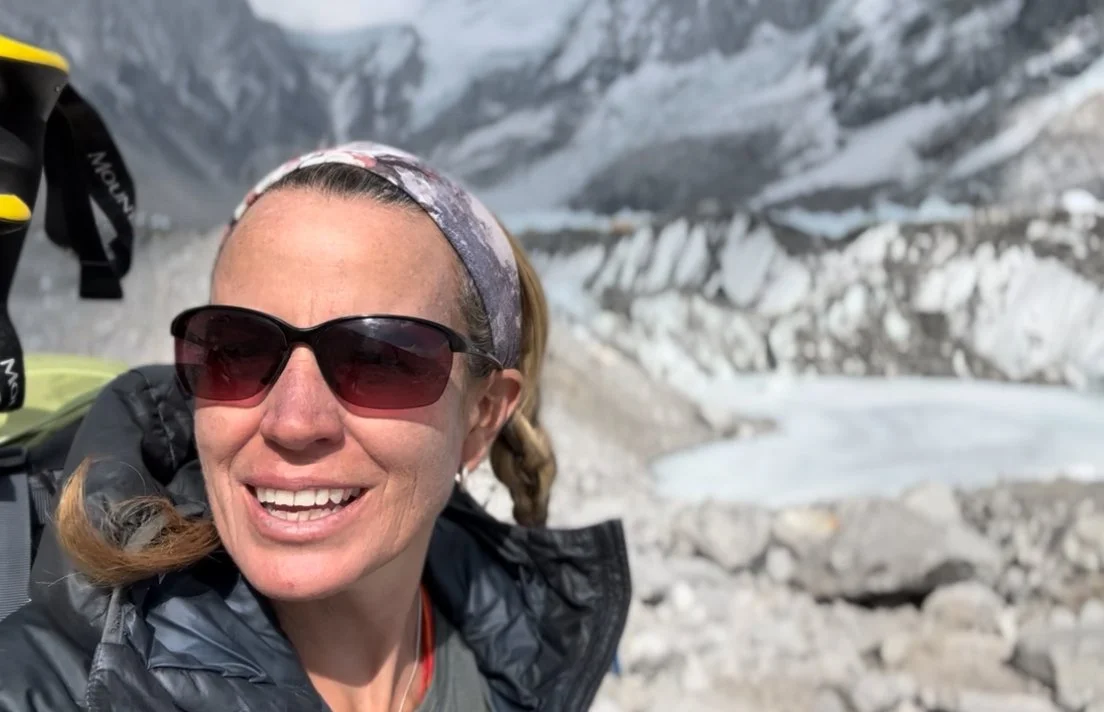
In April 2026, I will return to Mount Everest to continue a journey that began in 2023. If successful, I will become the first Australian and third person ever with Multiple Sclerosis to stand on the highest point on earth.
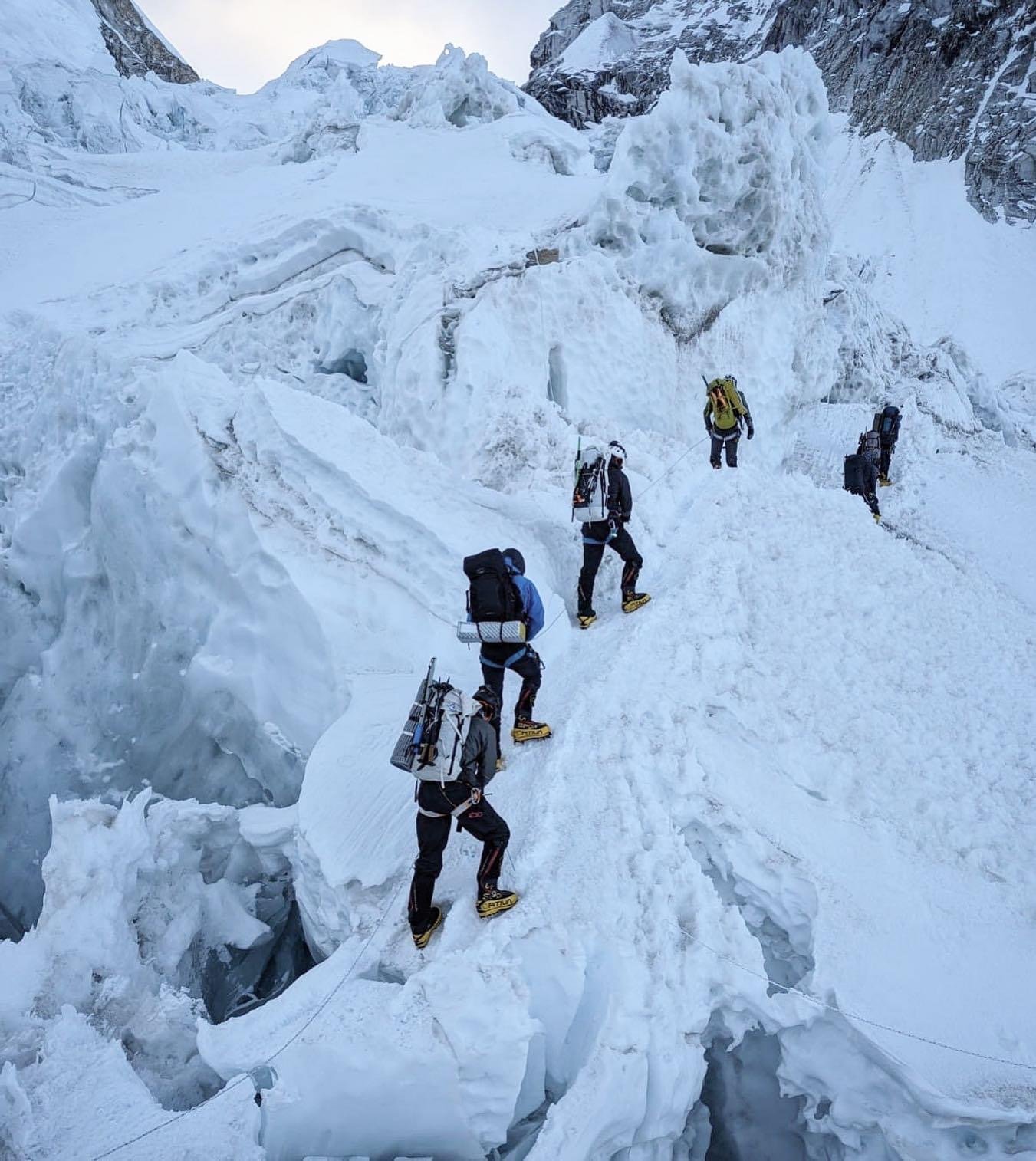
I will climb via the South Side (Nepal), via the South Col — the same route taken by Tenzing Norgay and Sir Edmund Hillary in 1953. This route passes through the Khumbu Icefall, Western Cwm, and Lhotse Face before reaching the South Col at 8,000m — the launching point for a summit attempt.
In 2023, I joined a commercial expedition and reached 8,000m, spending a night alone at the South Col before turning back. The team was highly experienced, but unforeseen logistical challenges meant the summit bid could not go ahead.
In 2026, I will return, climbing with Phunjo Lama and a highly experienced Sherpa team. With renewed planning and support, the focus remains firmly on reaching the summit, but with safe return home for all always the top priority.
For me, Everest is also never just about the summit. Living with MS means my window to climb is uncertain — and that makes every step an act of embracing life while I can. This time I return along my own footprints, with a deeper understanding of myself and what it means to truly test our limits.
Whether I stand on the top or not, this climb is about more: showing that we don’t give up, that we keep following the call of our hearts to wild and wonderful places. As Sir Edmund Hillary said, “It is not the mountain we conquer, but ourselves.”
What an Everest Expedition Really Involves
An Everest expedition is not for the faint-hearted or the comfort seeker. It means weeks of sleeping in a small tent in sub-zero temperatures, listening to the constant rumble of avalanches and rockfall. It means venturing out into the freezing dark night when the ice is at its most stable, peeing into a bottle, and eating dehydrated meals when your appetite is gone.
Acclimatisation brings its own challenges: pounding headaches, poor sleep, and the feeling that every step takes five times more energy than it would at sea level. Days blur into weeks at high altitude — testing patience, strength, and focus.
And yet, the rewards are extraordinary. Nights under skies thick with stars. Panoramic views that stretch beyond imagination. The magical sight of lines of headlamps threading their way up through the icefall. The camaraderie forged with teammates. The unfailing warmth and kindness of the Nepalese people.
It’s an experience that strips life back to its essence — discomfort and beauty, struggle and wonder — often in the very same moment.
Quick Facts
Route: South Side (Nepal), via the South Col
Altitude: 8,848m / 29,029ft
Duration: 50 days
Highest point reached before: 8,000m (South Col, 2023)
Objective: Summit attempt, April–May 2026
Purpose & Impact
Every expedition I’ve undertaken has raised funds for MS research and awareness for those living with invisible challenges. Everest 2026 continues that mission: to spark conversations about identity, resilience, and possibility — while encouraging others to question and go beyond their own perceived limits.
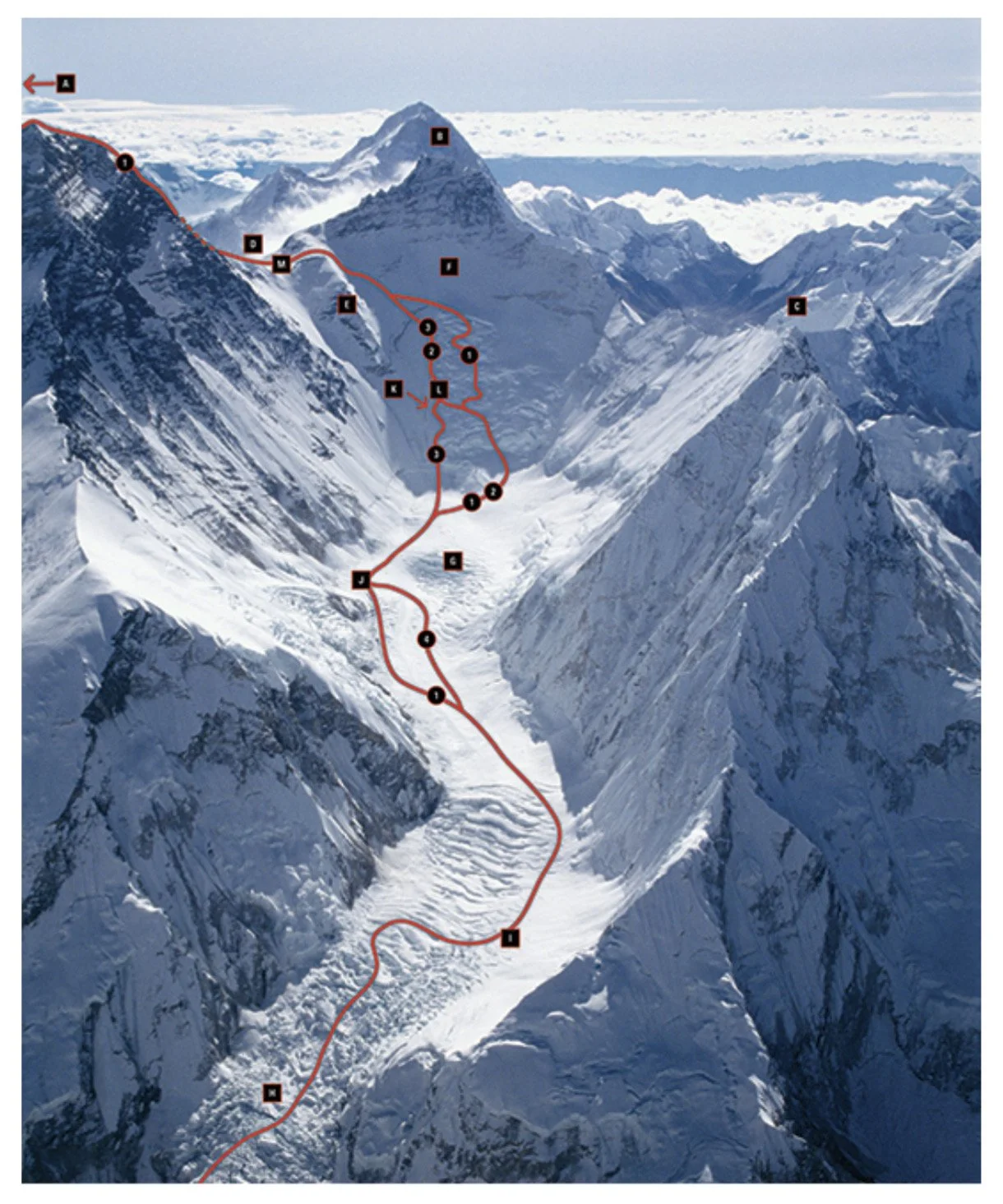
Everest 2026 South Side Expedition Example Itinerary ( ≈ 50 Days)
Kathmandu & Approach
Day 1 – International flight to Nepal.
Day 2 – Arrive in Kathmandu (1,300m / 4,265ft). Hotel overnight.
Day 3 – Kathmandu: gear checks, cultural visits, and final preparations.
Day 4 – Fly to Lukla (2,860m / 9,385ft). Begin trek.
Day 5 – Trek to Namche Bazaar (3,450m / 11,320ft).
Day 6 – Acclimatisation in Namche.
Trek into the Khumbu
Day 7 – Trek to Tengboche (3,870m / 12,700ft).
Day 8 – Trek to Pheriche (4,280m / 14,050ft).
Day 9 – Trek to Dugla (4,620m / 15,160ft).
Day 10 – Trek to Lobuche village (4,940m / 16,210ft).
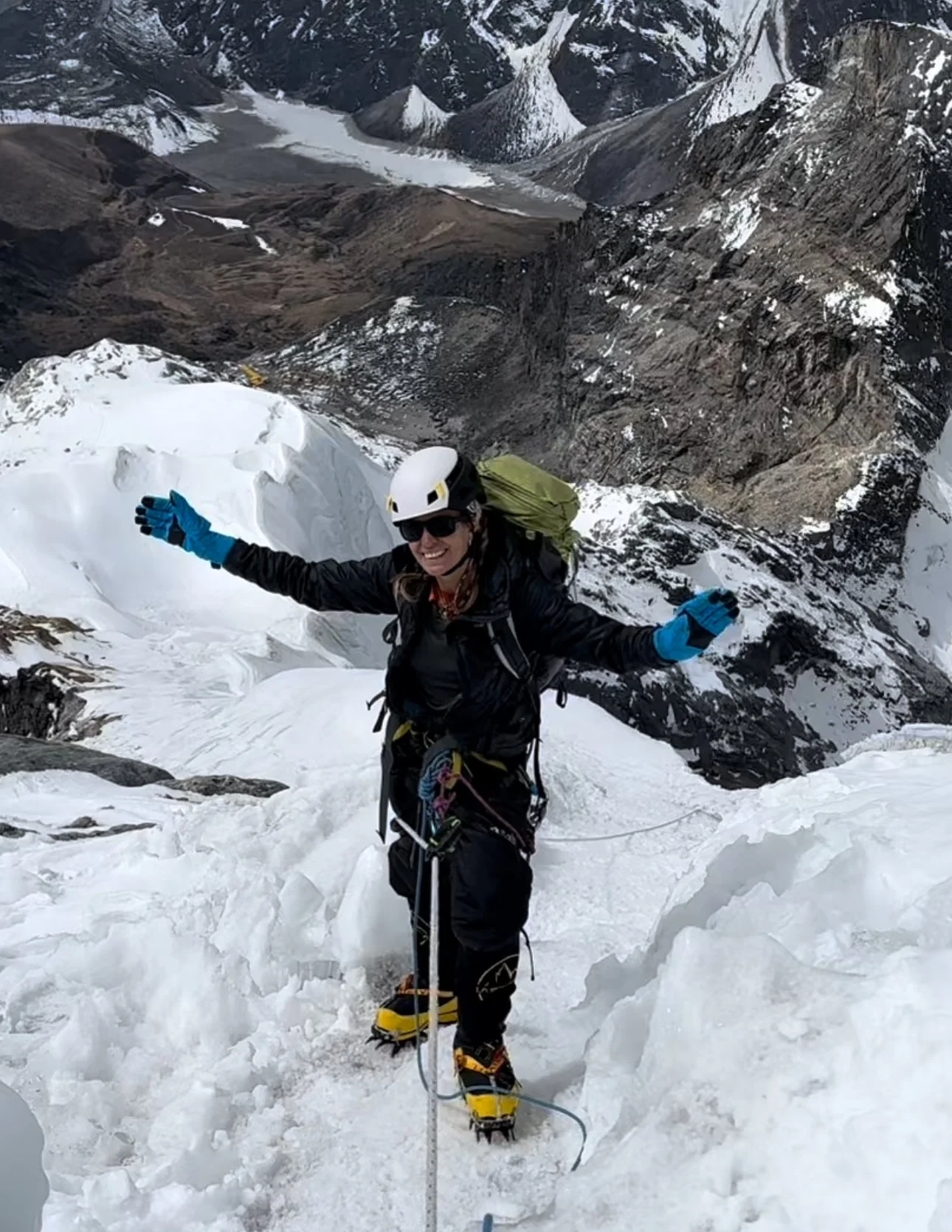
Days 11–12 – Training and acclimatisation climbs on Lobuche East Peak (6,119m / 20,075ft).
Day 13 – Trek to Gorak Shep (5,160m / 16,930ft).
Day 14 – Trek to Everest Base Camp (5,340m / 17,400ft).
Base Camp & First Rotations
Day 15 – Base Camp: organisation and rest.
Day 16 – Rest and acclimatisation.
Day 17 – Climb to Camp 1 (6,100m / 20,010ft). Overnight.
Day 18 – Move to Camp 2 (6,400m / 21,000ft). Overnight.
Day 19 – Rest at Camp 2.
Day 20 – Climb to Camp 3 (7,300m / 23,950ft). Overnight.
Day 21 – Return to Base Camp.
Recovery & Summit Preparation
Day 22 – Trek down to Pheriche (4,280m / 14,050ft) for recovery.
Day 23 – Rest lower down.
Day 24 – Return to Base Camp.
Day 25 – Climb to Camp 2.
Day 26 – Climb to Camp 3.
Day 27 – Move to Camp 4 (South Col, 7,950m / 26,085ft).
Day 28 – Summit attempt of Mount Everest (8,848m / 29,029ft). Return to Camp 4.
Day 29 – Descend to Base Camp.
Days 30–41 – Weather contingency and reserve days for additional summit attempts if required.
Descent & Return
Day 41 – Pack up Base Camp.
Day 42 – Trek down to Pheriche.
Day 43 – Trek to Pangboche.
Day 44 – Trek to Namche Bazaar.
Day 45 – Trek to Lukla.
Day 46 – Fly Lukla to Kathmandu. Hotel overnight.
Days 47–48 – Buffer days in Kathmandu for rest, sightseeing, and celebrations.
Day 49 – International departure.
Day 50 – Arrival back home.