
What is MS?
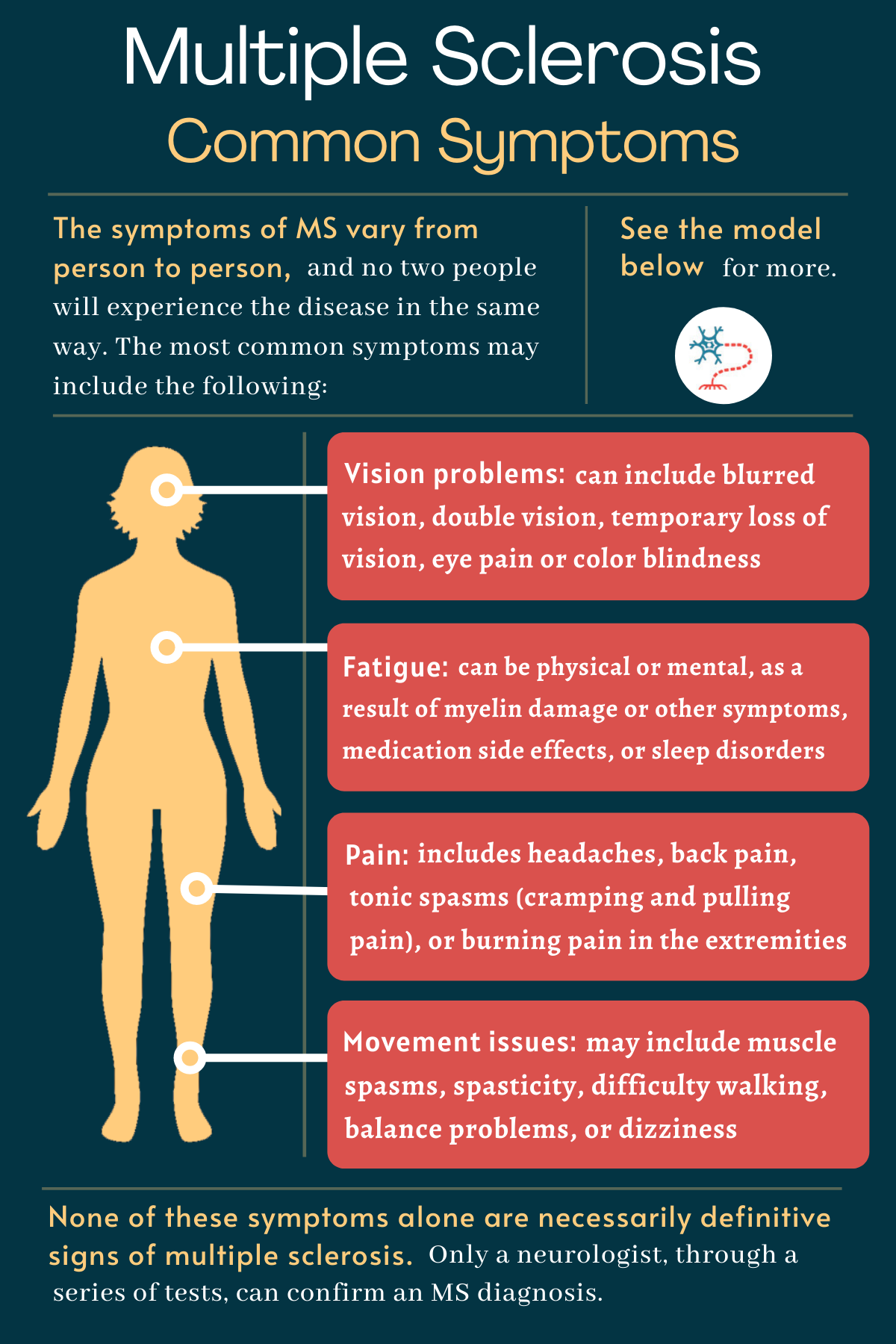
Multiple sclerosis (MS) is the most common acquired chronic neurological disease affecting young adults, often diagnosed between the ages of 20 to 40 and, in Australia, affects three times more women than men. As yet, there is no cure, however; through extensive and ongoing research, it is hoped that one day MS may be able to be cured and even prevented.
There is no known single cause of MS, but many genetic and environmental factors have been shown to contribute to its development.
In MS, the body’s own immune system mistakenly attacks and damages the fatty material – called myelin – around the nerves. Myelin is important for protecting and insulating nerves so that the electrical messages that the brain sends to the rest of the body, travel quickly and efficiently.
As the myelin breaks down during a MS attack – a process called demyelination – patches of nerves become exposed and then scarred, which render the nerves unable to communicate messages properly and at risk of subsequent degeneration. This means that the brain cannot talk to other parts of the body, resulting in a range of symptoms that can include a loss of motor function (e.g. walking and hand and arm function, loss of sensation, pain, vision changes and changes to thinking and memory).
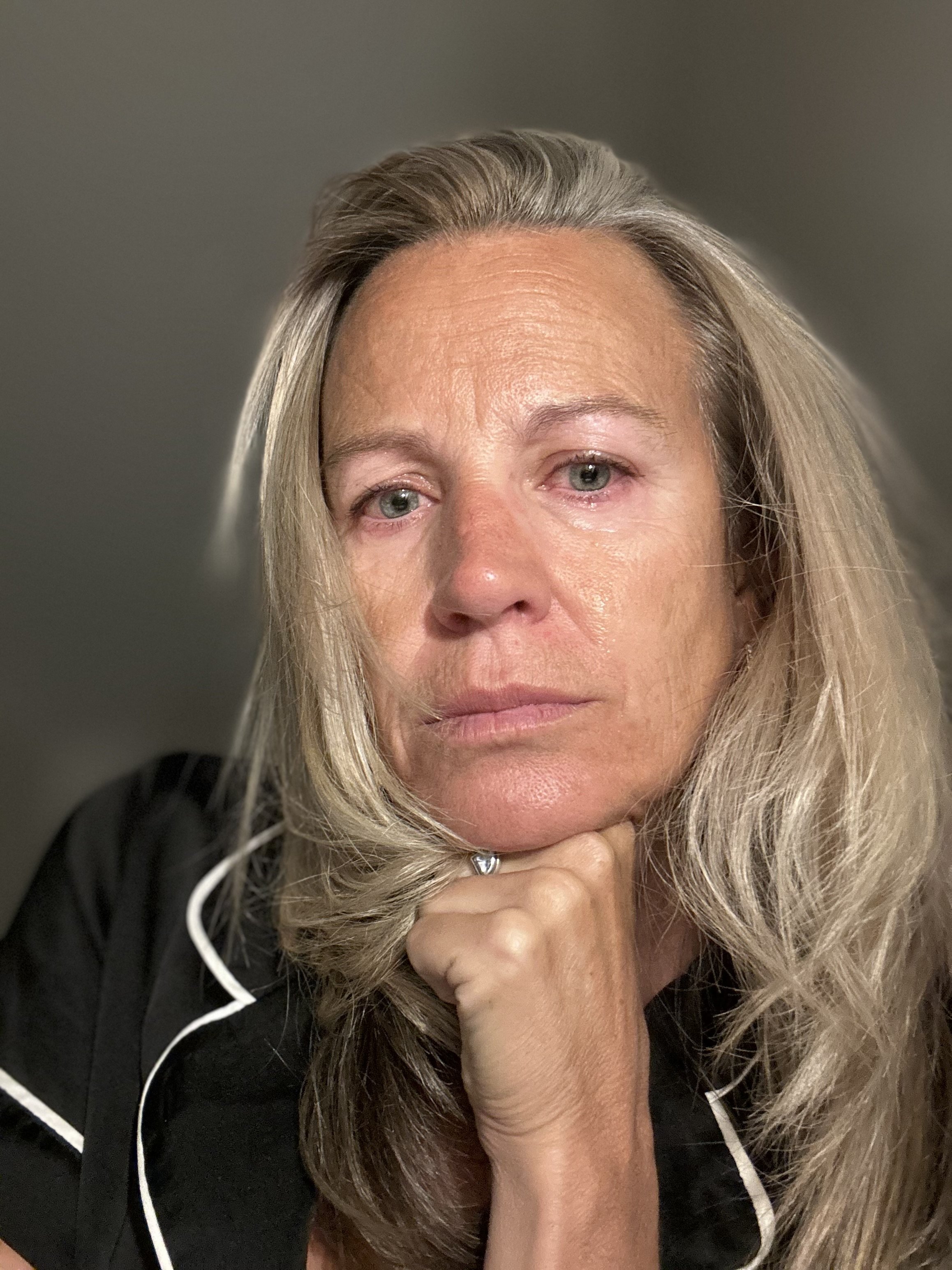
Living with MS - My experience
Life with Multiple Sclerosis is unpredictable. I currently have around thirty lesions — areas of scarring where my immune system has attacked the myelin sheath surrounding my nerves. These lesions create symptoms that come and go, often without warning.
Some days, I barely notice I have MS at all. My body feels strong, my mind is clear, and I feel as fit and healthy as ever. Other days, fatigue washes over me, or strange sensations flare — burning in my tongue or toes, aching in my arms, tingling patches of skin, or a fogginess in memory and processing speed.
Fortunately, at this stage, the good days far outnumber the difficult ones. I do everything I can to keep it that way — through movement, mindfulness, and a lifestyle that supports both body and mind. I follow a Mediterranean way of eating, spend as much time outdoors as possible, and keep active through climbing, hiking, swimming in Port Phillip Bay, and even learning to sail.
Stress is one of MS’s greatest triggers, so I work to care for my inner world as deliberately as my physical health. I draw a lot from Buddhist psychology and the teachings of Vietnamese monk Thich Nhat Hanh, which remind me to approach life with presence and compassion.
In 2023, I began treatment with Mavenclad — a two-year course of oral therapy taken in short bursts (two rounds in year one, two rounds in year two). After that, it becomes a ‘wait and see’ phase — with ongoing monitoring and the hope that the treatment holds MS at bay. For now, I am grateful that it seems to be working and that my MS is stable.
That same year, I became the first Australian with MS to climb to 8,000m on Everest, reaching the South Col and spending a night alone at that extreme altitude. The challenge of turning back before the summit was intensified by the knowledge that MS is unpredictable — and that opportunities can’t be taken for granted. But Everest also gave me clarity: I can’t control the mountain, and I can’t control MS. What I can control is the choice to keep climbing while I can.
Every day, I feel grateful for the advances in research that make my quality of life possible. I want to do my part to ensure this research continues, so that one day, MS can not only be managed, but cured.
If you’d like to learn more about MS, here are a few helpful resources: